

FDD is a Washington, DC-based nonpartisan research institute focusing on national security and foreign policy.
FDD does not accept donations from any foreign governments.
Subscribe to FDD
Receive FDD's latest research and analysis
Trending Issues
Israel at War
Hezbollah Rocket Fire Targets Israel’s Kiryat Shmona
Flash Brief
October 7-Linked Palestinian Islamic Jihad Commander Killed in Rafah
Flash Brief
Iran-backed Terrorism
Houthis attack four ships and threaten to expand operations against U.S. forces
FDD's Long War Journal
Threats facing Western democracies
Babel Undone
April 14, 2024
3:00 pm
EVENT: Iran’s Historic Aerial Assault on Israel: SITREP and Policy Options
The Islamic Republic of Iran ramped up its decades-long assault on Israel with an unprecedented attack last night, firing an estimated 300 drones and missiles at Israel – including directly from Iranian soil. Israel’s multi-layered missile defense system, along with robust support from a broad coalition of allied partners in the region, successfully thwarted the aerial offensive targeting Israeli civilians. All eyes are now on Jerusalem to see what happens next.
Experts
Mark Dubowitz
Chief Executive
- Iran Sanctions
- Iran Human Rights
- Syria
- Iran Missiles
- Iran
- Iran Global Threat Network
- Hezbollah
- Iran-backed Terrorism
- Sanctions and Illicit Finance
- Cyber
- Iran Nuclear
RADM (Ret.) Mark Montgomery
CCTI Senior Director and Senior Fellow
Sinan Ciddi
Non-Resident Senior Fellow
Antonette Bowman
Research Fellow
What they're saying
"Mr. Dubowitz’s campaign to draw attention to what he saw as the Iran nuclear deal's flaws has taken its place among the most consequential ever undertaken by a Washington think tank leader."

New York Times
“FDD is highly influential in the area of public policy … I would like to thank FDD for publishing numerous articles advocating for international support of Taiwan.”

Tsai Ing-wen
President of Taiwan
"Thank you to FDD…for the many, many years of great work that you’ve done. I've known the organization and relied on its expertise long before this conversation today."
Jessica Lewis
Assistant Secretary for Political-Military Affairs, U.S. Department of State
"I will tell you that FDD has been such a partner. Whether it is dealing with the Iran deal and the flaws that were in it, all the way to human shields and all the things that we need to do to combat it, you've been a partner in a time where we need partners. And so I appreciate that very much."
Amb. Nikki R. Haley
Former US Ambassador to the United Nations
“What FDD puts out [in] the national and international conversation, … you really are … a repository of knowledge on so many critical issues.”
Rep. Mike Waltz (R-FL)
"I’ve always tried to have a 'bias for action,' and I appreciate how the Center on Military and Political Power isn’t intended to be a group of luminaries sitting around admiring the problem set, but an organization actively working to promote understanding of the strategies, policies, and capabilities we need to maintain our vital national interests. That bias towards action speaks to me – so I appreciate the endeavor that’s underway here."
Gen. Kenneth F. McKenzie, Jr.
Former Commander, U.S. Central Command
"The output generated today and every day at FDD is invaluable and inexplicably linked to the defense of our nation."
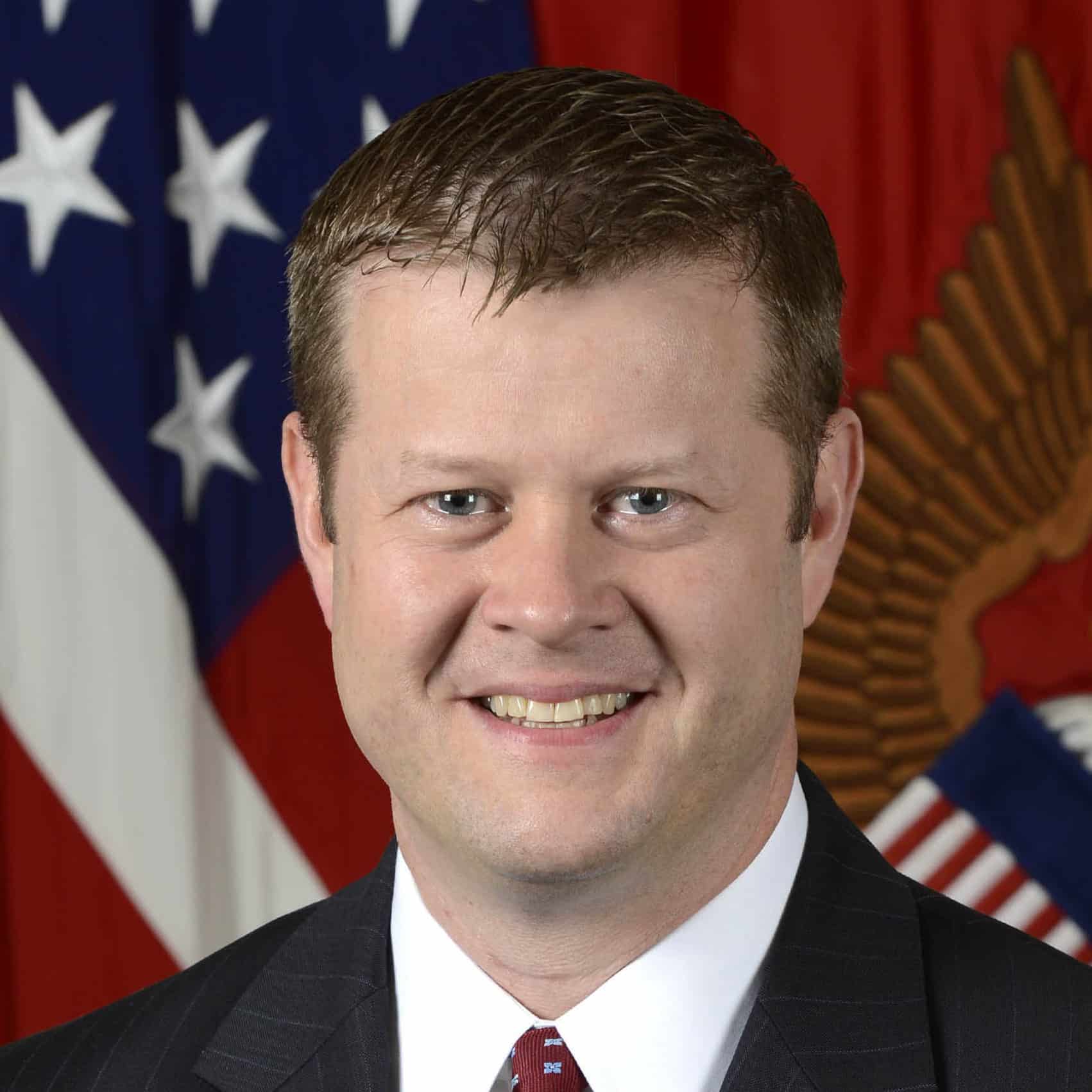
Hon. Ryan D. McCarthy
Acting Secretary, U.S. Army
"A record low for the reach of petrodollars: CIA & FDD fake news w/ selective AlQaeda docs re: Iran can't whitewash role of US allies in 9/11"
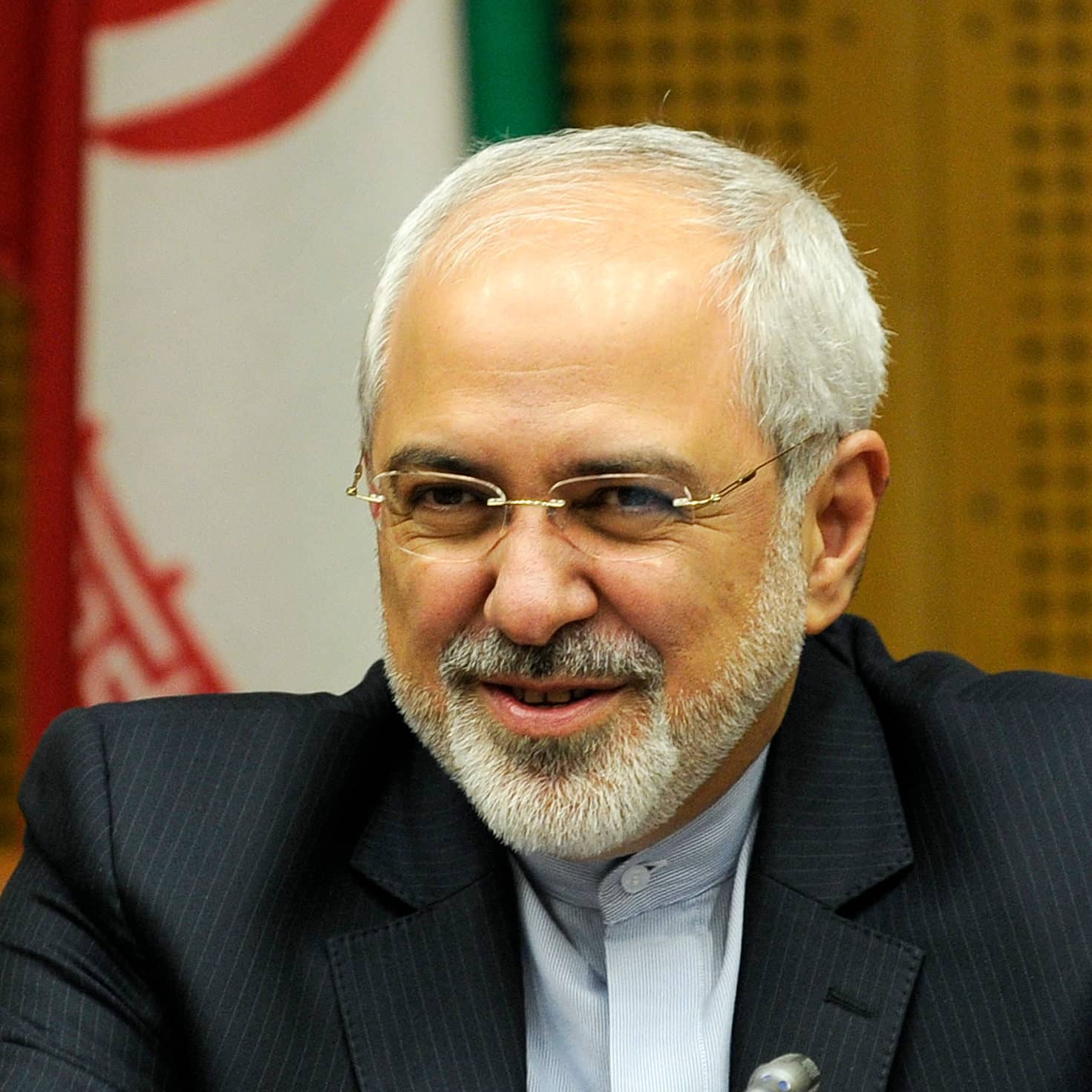
Javad Zarif
Iran's Foreign Minister
FDD's Long War Journal [is] the best source of public information on terrorism.
Michael Morell
former Acting and Deputy Director, Central Intelligence Agency
“I think what distinguishes FDD is that you publish not only insightful and thoughtful analysis, but your products are operational and they're actionable, and I can assure you that they're read throughout our government and we look forward to reading more.”
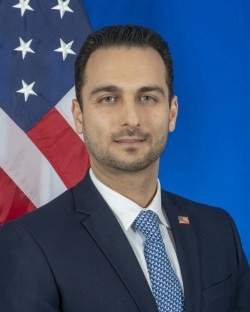
David Peyman
Deputy Assistant Secretary for Counter Threat Finance and Sanctions, U.S. Department of State
“I have long admired the Foundation for Defense of Democracies. I have long felt it’s very important the issues that are raised here, and I have long felt that when we talk about foreign policy, it has to be done on a bipartisan basis and we have to work very closely together across the aisle.”

Rep. Eliot Engel (D-NY)
Chairman, House Foreign Affairs Committee
"We rely on a lot of the analysis that FDD does. It's enormously effective at what it does, deeply substantive, passionate about its work, all the sorts of things that you would want in a think tank."
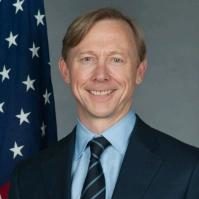
Brian Hook
Special Representative for Iran, U.S. Department of State
“It is the efforts of the Foundation for Defense of Democracies that is dedicated to these issues day in and day out – your work every day makes a real difference in these battles that we wage.”
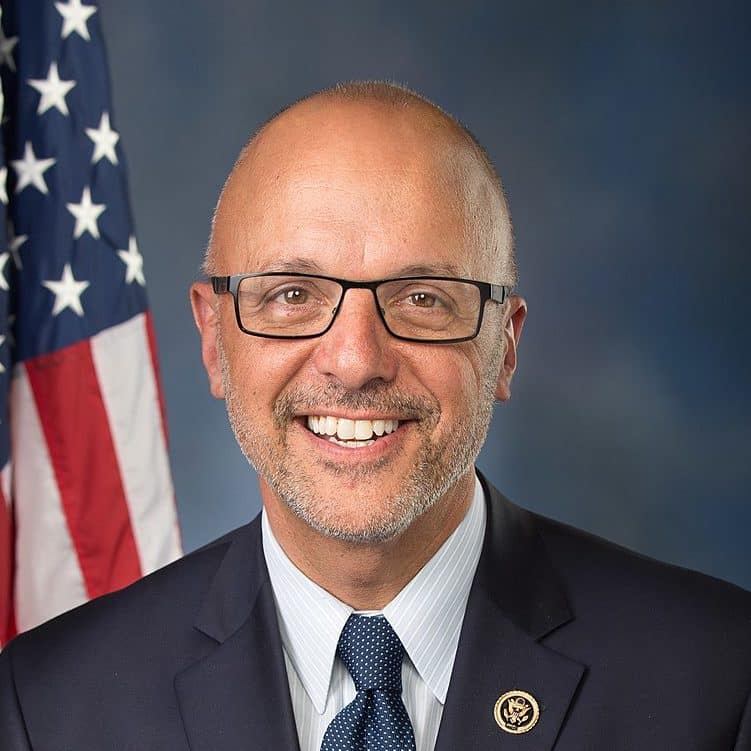
Rep. Ted Deutch (D-FL)
“I love FDD. … I want to thank FDD for the work it's done over the years on so many critical issues. ... We have drawn heavily on the scholarship and analysis of FDD. … We need organizations like FDD to continue their scholarship on the threats that we face.”
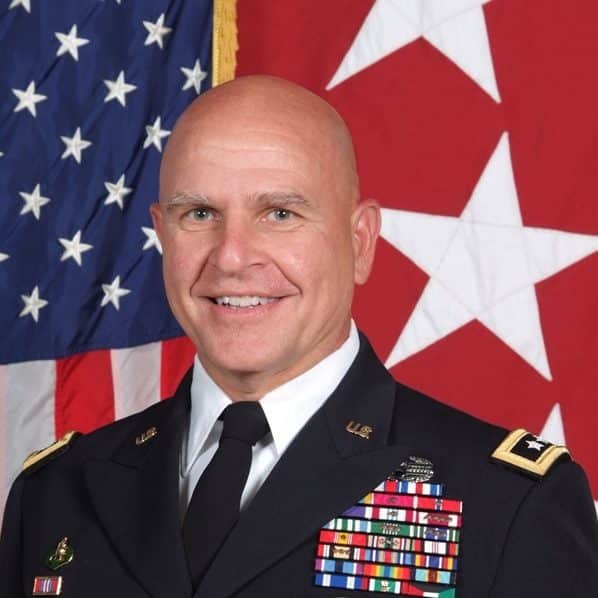
LTG (Ret.) H.R. McMaster
Former National Security Advisor
“I am a proud alumnus of FDD’s National Security Fellows Program. FDD has really distinguished itself as a hub and a place where you really have invested in the next generation of national security leaders, and that's critical.”
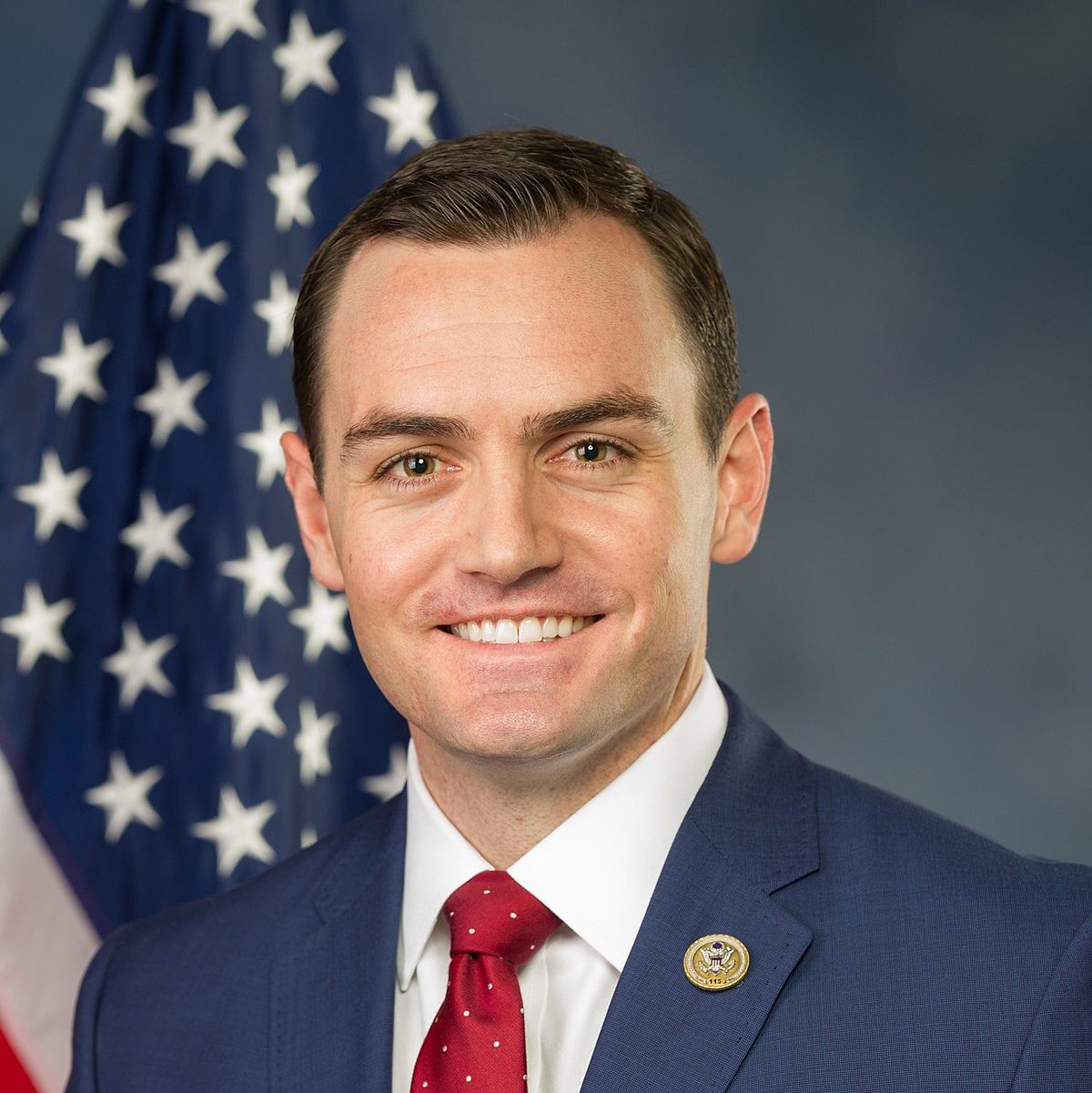
Rep. Mike Gallagher
(R-WI-8), 2011 FDD National Security Fellow
"As FDD knows and has exposed very well, Iranian commercial airlines play a critical role in ferrying Qods Force operatives, weapons, equipment, and funds to international locations in furtherance of Iranian state-sponsored terror operations."
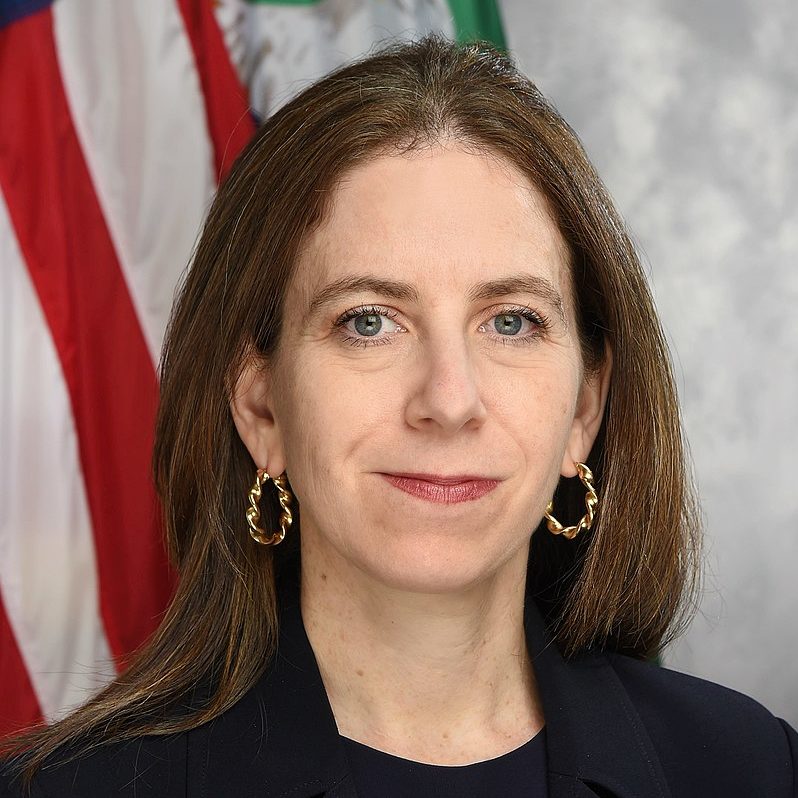
Sigal Mandelker
Undersecretary of the Treasury for Terrorism and Financial Intelligence
“The intelligence community notes what FDD does and deeply appreciates it. Your scholarship shows connections between a whole bunch of nefarious actors out there – proliferators, sanctions-busters, and money-launderers. What it is you’re able to do with open sources complements and reinforces what goes on inside the intelligence community.”

Gen. Michael Hayden
Former Director, Central Intelligence Agency and the National Security Agency
“The Foundation is making a difference across the world.”

George W. Bush
Former President
Overnight Brief: May 3, 2024
Read Full BriefToday In Issues:
FDD Research & Analysis
- Today at 8:30am (ET): "FDD Morning Brief," FDD Event
- "Despite the state of the Gaza Strip Hamas is certain that they are still winning the war," The Jerusalem Post
- "Houthis target US ships and expand operations as part of attack escalations in the region," The Jerusalem Post
- "Hezbollah's war has destroyed South Lebanon, BBC report reveals," The Jerusalem Post
- Kuwait Emir visits Egypt, meets with leaders over Rafah concerns The Jerusalem Post
- Hezbollah says it targeted IDF 'barracks' in north The Jerusalem Post
- "Safeguarding U.S. Interests in the Face of China’s ‘New Productive Forces’ Strategy," FDD Policy Brief
- "Gaza Health Ministry Cannot Provide Names for More Than 10,000 It Says Have Died," FDD Policy Brief
- "Turkey Poised to Join South Africa’s Genocide Lawsuit Against Israel at ICJ," FDD Flash Brief
- "Israel Thwarts West Bank Terrorist Cell Planning Bombing Attacks," FDD Flash Brief
- "Lacking Hostage Deal, Blinken Continues to Stall Israeli Ground Operation in Rafah," FDD Flash Brief
- "Turkey Suspends Trade With Israel," FDD Flash Brief
- "Qatar-Owned Al-Jazeera to Close Israel Bureau Pending Israeli Cabinet Vote," FDD Flash Brief
- "Jordan Rejects Hosting Hamas as Pressure Rises on Qatar," FDD Flash Brief
The Must-Reads
- US Defense Secretary says there was no indication Hamas planning attack on US troops
- Text of Treasury Department press release: Treasury targets sanctions evaders supporting key Hizballah Financial Advisor
- Iraqi militant group claims missile attack on Tel Aviv targets, source says
- Palestinian security force kills Islamic Jihad gunman in rare internal clash
- Iran hits U.S., U.K. Targets with sanctions over Israel support
- Former U.S. Special Representative for Iran Brian Hook: why won’t Biden enforce sanctions against Iranian oil?
- Turkey halts all trade with Israel, cites worsening Palestinian situation
- EU announces 1 billion euros in aid for Lebanon amid a surge in irregular migration
- Iran’s attack on israel offers Kim Jong Un a test case of Western Defenses
- U.S. shuffles military assets in Middle East after Gulf pushback
- U.S. officials wary of Chinese plans for floating nuclear plants
- Defense chiefs from US, Australia, Japan and Philippines vow to deepen cooperation